
America Loses Measles Free Status After 26 Years as Cases Pass 5,400
The United States has lost its measles elimination status after 26 years, the Pan American Health Organization announced on Tuesday, November 17. The decision followed a review by the organisation’s verification commission, which concluded that the virus had spread continuously in the country for more than a year. The United States had held elimination status since 2000.
The Largest Outbreak in More Than Three Decades
As of November 12, the Centers for Disease Control and Prevention had confirmed 5,412 measles cases in 2026, the highest annual total since 1991 and more than double the 2025 count. Cases have been confirmed in 45 states and Washington, D.C., with more than 590 hospitalisations. The CDC count lists six deaths, while states have reported a total of 10 deaths from the virus so far in 2026, according to reports.
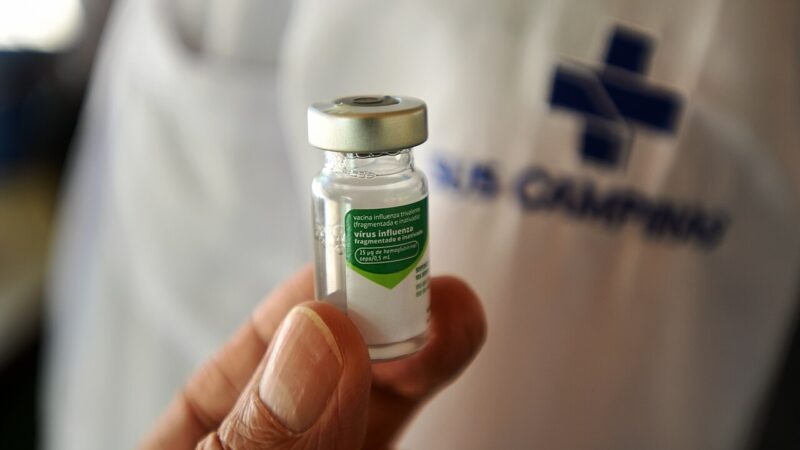
About 96 percent of this year’s cases were in people who were unvaccinated or had unknown vaccination status. Two doses of the measles, mumps and rubella vaccine are about 97 percent effective, and health officials describe vaccination as the best protection against a virus that spreads easily through the air. Experts say the confirmed total is most likely an undercount, because not every case is detected or reported.
What Losing the Status Means
Losing elimination status does not mean measles is now everywhere, and most people in the United States remain protected. It does mean measles is once again considered endemic, with local transmission that is no longer broken by imported cases alone. Bolivia and Mexico have also lost their elimination status, and the regional picture shows a disease returning across the Americas after years of control.
To regain the status, the United States must submit a corrective action plan to the Pan American Health Organization and then prove it is free of sustained transmission for 12 months. The plan is expected in the coming weeks, and the CDC says it has invested 100 million dollars in state and local health departments to reach the communities where transmission is occurring. For schools, travellers and parents, the practical message is unchanged, and it is urgent. Check vaccination records, catch up on missed doses, and act before an outbreak reaches a classroom or a clinic, because measles can spread quickly in any community where protection has slipped, and one case can soon become many.