

0 views
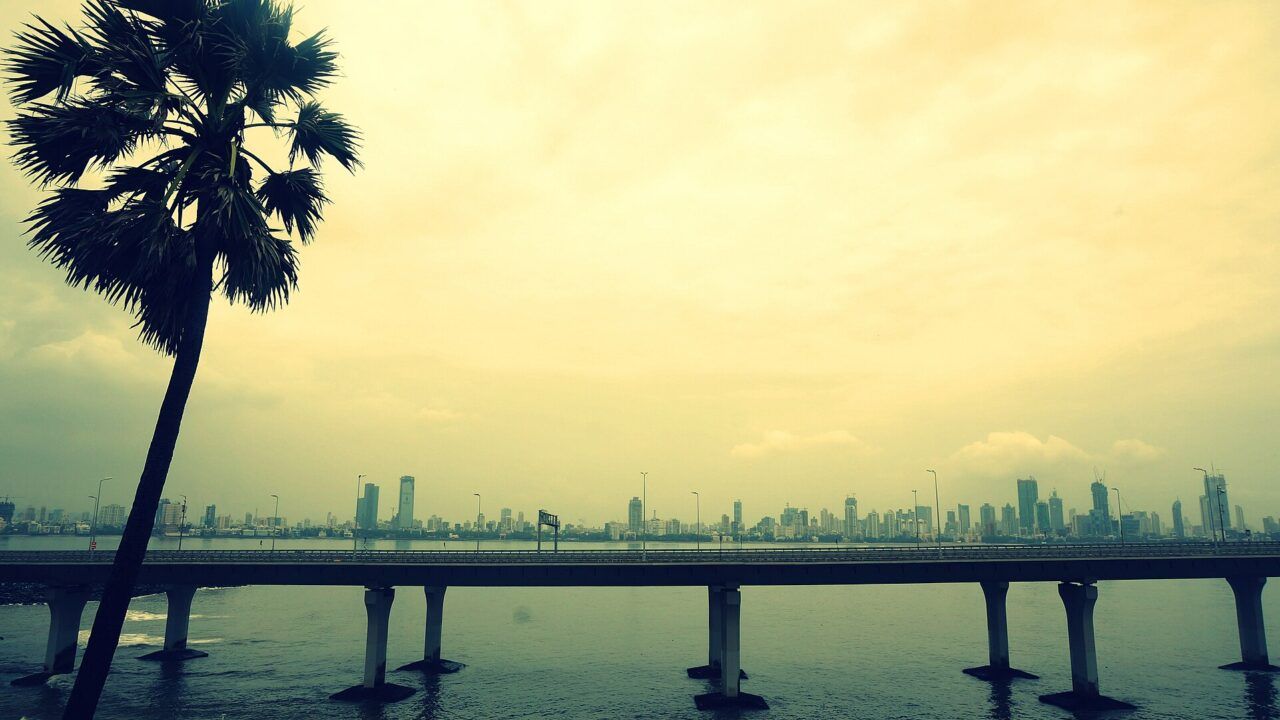
Mumbai sweltered under a yellow alert this week as India's weather service warned of heatwave conditions across the Mumbai Metropolitan Region, with temperatures climbing high enough to trigger official advisories in what is normally the city's gentler post-monsoon season.
The India Meteorological Department's yellow alert — the second rung of its warning ladder — signals that severe weather is expected and that people should stay informed and take precautions. For a coastal city whose sea breeze usually moderates extremes, sustained heatwave conditions are an uncomfortable reminder that the subcontinent's heat calendar is stretching.
Health officials repeated the standard guidance that saves lives when it is followed: hydrate constantly, avoid midday exertion, watch for dizziness and confusion — the early signs of heatstroke — and check on elderly neighbours. Construction workers, delivery riders, traffic police and the millions who work outdoors across the region have no real option of retreat, and unions and employers' groups have renewed calls for shaded rest, water stations and shifted hours during extreme heat.
The alert also revives a policy argument that grows louder every year. Indian cities are being pushed to adopt formal heat action plans — early-warning systems, cool roofs, hospital readiness, public cooling spaces — of the kind first pioneered in Ahmedabad, which measurably reduced heat deaths. Mumbai's size and density make it both the hardest test and the most important one: a single extreme-heat week in a metropolitan region of more than twenty million people is a mass-casualty scenario planned for, or not.
Climate scientists note that South Asia's dangerous-heat season now regularly extends beyond its traditional April-to-June window, with October heat amplified by humidity that prevents the human body from cooling itself. The combination of temperature and moisture — measured as wet-bulb temperature — is what turns a hot day into a lethal one, and it is rising across the region's megacities.
For Mumbai's residents, the immediate forecast offers the familiar bargain: endure the alert days, watch for the sea breeze and the next weather system, and adapt. Schools and offices adjusted schedules where they could; the railways and roads carried on as they always do. The city's resilience is real — but so is the trend that keeps testing it earlier, later and harder every year.
The playbook for cities that have done this well is documented and unglamorous. Ahmedabad, which built India's first heat action plan after a lethal 2010 heatwave, layers early warnings tied to temperature thresholds onto hospital readiness, water distribution, school and work advisories, and public messaging in the languages people actually speak. Mortality in subsequent heatwaves fell measurably. The model's lesson travels: heat deaths are a systems failure, and systems can be fixed.
Mumbai's challenge is scale and shape — a peninsula city of extreme density, vast informal settlements where tin roofs turn homes into ovens, and a workforce whose labour is outdoors by definition. Municipal officials point to ward-level plans, water kiosks and hospital protocols that have grown more formal each year; critics answer that cooling centres remain sparse where they are needed most and that heat is still treated as weather rather than as the recurring public-health emergency the data describes.
The yellow alert will pass. The question the IMD's warnings keep asking, season after season, is whether the megacity's defences are growing faster than its thermometer. On this week's evidence, the race remains open.
Related reading: Congo's Ebola Outbreak Passes 8,700 Cases With No Vaccine for Its Strain · US Measles Cases Reach 3,887 in 2026 as Health Officials Urge Vaccination · WHO: Global Life Expectancy Nearly Back to Pre-Pandemic Level