

0 views
Animals may have appeared on Earth up to 200 million years earlier than scientists long believed, according to a new study that re-examines one of palaeontology’s most durable assumptions.
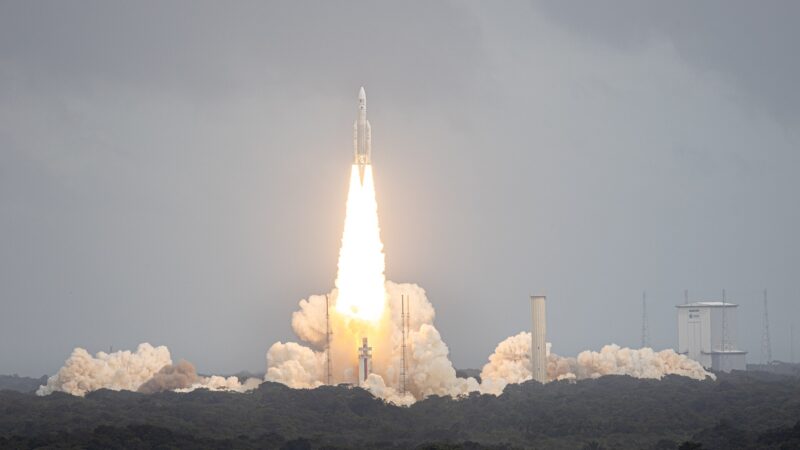
The research, led by the University of Oxford and published on 2 October in the journal Science Advances, uses a technique called molecular clock analysis — comparing genetic differences between living species and working backwards to estimate when their ancestors lived. By calibrating the clock with older fossil deposits than previous studies used, the team places the possible origin of animals between 800 and 700 million years ago. The study adds to a busy stretch for science news, as NASA SmallSats rode a SpaceX Transporter-18 mission to test propulsion and ultraviolet astronomy.
The fossil record’s blind spot
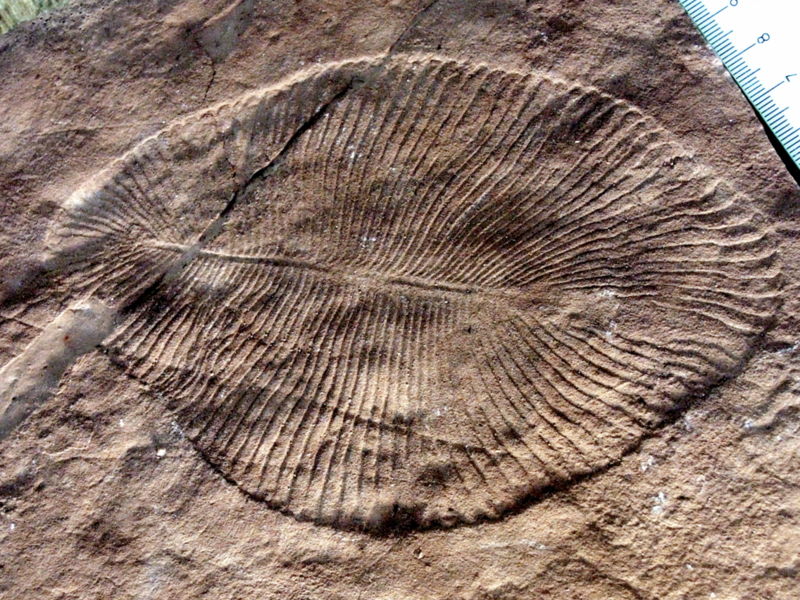
The key insight concerns what missing fossils actually prove. Scientists had treated the Weng’an Biota in China — a 590-million-year-old deposit of exquisitely preserved microfossils with no definitive animals — as evidence that animals had not yet evolved. But the team studied the Kheseen Biota in Mongolia, a younger deposit that is equally well preserved yet also lacks animal fossils, even though animals are known to have existed elsewhere at that time. If superb preservation can miss animals that were definitely around, the researchers argue, then Weng’an’s silence cannot prove animals were absent either.
Using older calibration points instead — fossil-rich deposits in Australia, Norway and Arizona dating from 850 to 730 million years ago — the estimated origin shifted backwards by roughly 200 million years. Chemical traces in ancient rocks already hint at sponge-like life at least 650 million years ago, lending weight to a deeper history. The findings were summarised for a general audience in the university’s research news.
Before the big freeze
The revised timeline raises a startling possibility: animals may predate Snowball Earth, a series of glaciations beginning about 720 million years ago that encased the planet in ice. Whether early animals endured that deep freeze or evolved in its aftermath is now an open question. The earliest animals would have been tiny and soft-bodied, with no shells or bones to fossilise — which is precisely why they may have been swimming unnoticed for hundreds of millions of years.
The researchers stress they have not found an 800-million-year-old animal. What they have shown is how a single uncertain assumption can move life’s timetable by geological eras. As one co-author put it, pinning down the nature and timing of Earth’s first animals remains a demanding enterprise — and future discoveries in ancient rocks will be needed to refine the picture. A detailed explainer of the molecular clock method is available alongside the original report.