

0 views
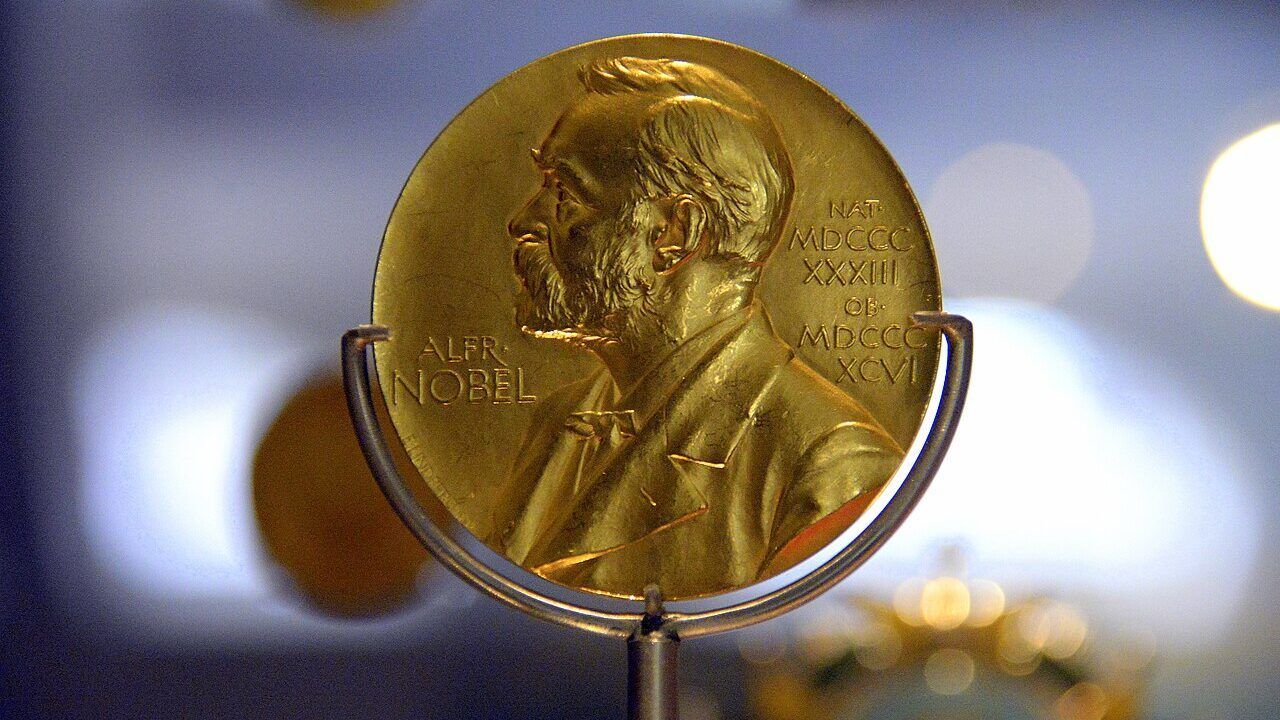
Karl Deisseroth of Stanford University, Peter Hegemann of Humboldt University in Berlin and Georg Nagel of the University of Würzburg won the 2026 Nobel Prize in Physiology or Medicine on October 5 for discoveries concerning light-gated ion channels and optogenetics, according to reports. The award, announced at the Karolinska Institute in Stockholm, opened Nobel week.
The three laureates are Karl Deisseroth, 54, of Stanford University; Peter Hegemann, 71, of Humboldt University in Berlin; and Georg Nagel, 73, of the University of Würzburg. Their work is recognised jointly, with the prize shared across the three names announced in Stockholm on October 5.
The discoveries concern light-gated ion channels and optogenetics, techniques used to switch individual nerve cells on or off with light. In plain terms, the recognised work made it possible to control the activity of specific nerve cells using light, giving researchers a way to turn targeted cells on or off rather than affecting tissue broadly. That precision is what the prize announcement placed at the centre of the award.
Optogenetics, as described in the announcement, rests on those light-gated ion channels. By linking light sensitivity to individual cells, the techniques allow experiments to follow cause and effect at the level of single nerve cells. The Nobel recognised the underlying discoveries that made such control possible, crediting the three laureates together for that body of work.
The announcement was made at the Karolinska Institute in Stockholm and opened Nobel week, the sequence of prize announcements that begins with Physiology or Medicine. The medicine prize therefore set the tone for the week, starting the announcements with work on the basic mechanisms of nerve cell control.
The trio shares 12 million Swedish kronor, about $1.2 million. With the October 5 announcement, Deisseroth, Hegemann and Nagel join the roll of medicine laureates, recognised for discoveries concerning light-gated ion channels and the optogenetic techniques that let individual nerve cells be switched on or off with light.