
Third Iranian Drone Attack in Five Days Rocks Bahrain as Blasts Sound in Manama
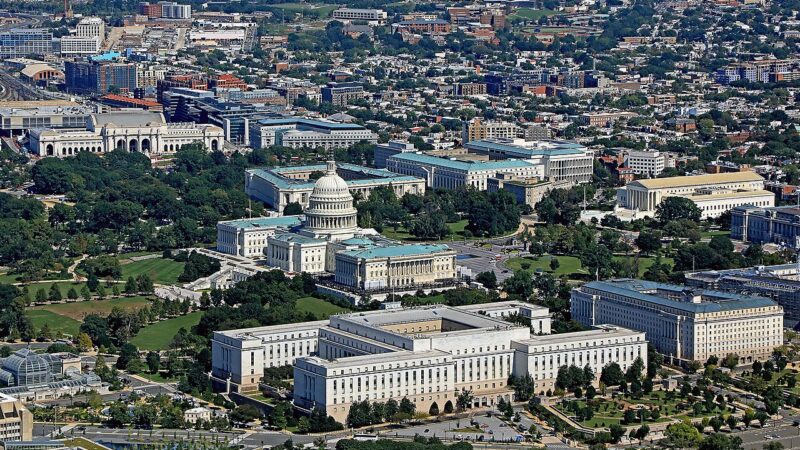
Blasts echoed across the Bahraini capital Manama on Tuesday morning as Iran launched its third drone attack on the Gulf kingdom in five days, in the sharpest escalation yet of a confrontation that has put the small island state at the centre of the war between the United States and Iran.
Iran said its Revolutionary Guards had carried out a precision operation against a United States radar system at Sheikh Isa Air Base, according to reports, in retaliation for what Tehran called repeated violations of Iranian airspace by American drones. Bahrain said its armed forces had confronted and intercepted the incoming aircraft before they could reach their targets, and there were no reports of casualties or damage.
Alerts across the capital
Bahrain issued a mobile phone alert warning residents of a potential threat and urging them to move to the nearest safe location, and explosions were heard across Manama shortly afterwards. The alert was the third of its kind in five days, after a weeks long lull in attacks on Gulf states that ended on Friday, when Iran first claimed to have struck an American early warning radar in Bahrain.
The United States Central Command said multiple Iranian one way attack drones launched towards Bahrain on Tuesday were intercepted without any damage to American equipment or injury to American personnel. It was the same account Washington gave after the first two attacks, and it leaves the scale of the damage, if any, unconfirmed by independent reporting from the scene.
A pattern, not an accident
The attacks have followed a clear pattern. On Friday, Iran claimed it had hit an early warning radar in retaliation for an American strike on a communications tower at Sirik, overlooking the Strait of Hormuz. On Sunday, it said it had launched six drones against a radar system at the Al Riffa helicopter base. Tuesday brought a third claim, this time against the radar at Isa, and a claim that Iranian forces had also intercepted and captured an American drone south of Qeshm island.
Analysts in Tehran say the shift is deliberate, with Iran moving from waiting for an attack and then retaliating to targeting the operational capability of American bases. The timing matters too. The attacks have resumed just as the United States moved the USS Theodore Roosevelt into the region, bringing the number of American carrier strike groups there to three, and days before the first three way summit of the American, Chinese and Russian leaders in Shenzhen.
President Donald Trump has said he might hold off from attacking Iran if Tehran stops what he called provocations. For Bahrain, caught between the two sides, the immediate concern is simpler: keeping its skies clear while larger powers decide what happens next.