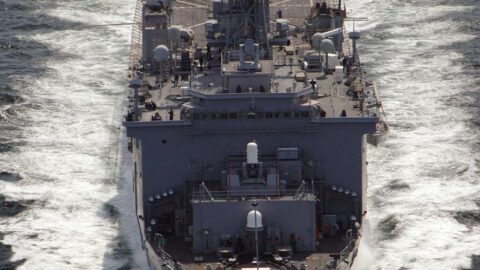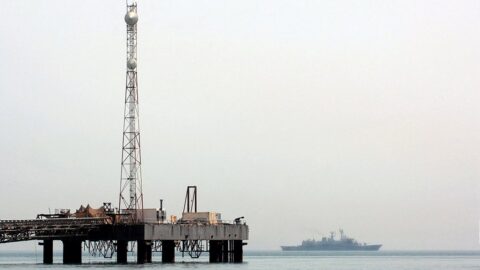
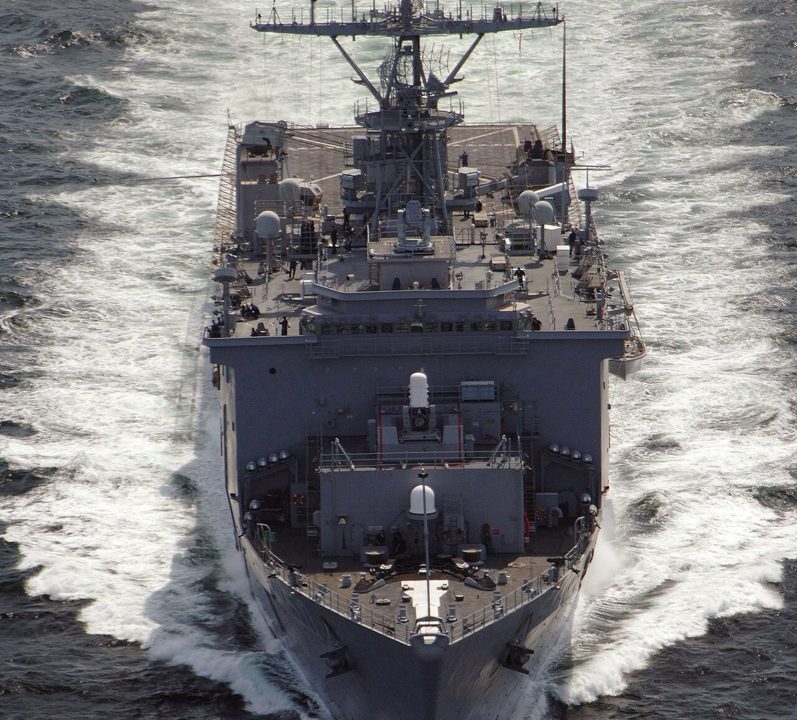
The United States has privately told several Gulf countries to prepare for a brief but intense military campaign against Iran after the midterm elections, according to a report published on October 28 by The Wall Street Journal, citing people briefed on the conversations. The report marks a sharp escalation in the public picture of Washington’s posture, even as it stresses that President Donald Trump has not made a final decision and could still seek a deal.
According to the Journal’s account, American forces in the Middle East are replenishing ammunition stocks, with bombers and fighter jets being readied for potential strikes, while Israel has drawn up plans and identified targets for a possible new attack. The campaign described in the report would be concentrated in a short timeframe, aimed at Iranian infrastructure and nuclear facilities, with the goal of bringing Tehran back to the negotiating table. Trump, the report says, is leaning toward a major attack, though no order has been given.
What Trump has said in public
The public record points in two directions at once, which is part of why the report has landed so heavily. Trump has said he will not strike Iran before the midterms, which take place on November 3, and he has sought to limit public discontent over rising oil prices by relying for now on economic sanctions and a maritime blockade rather than military operations. At a Republican campaign rally in Fort Myers, Florida, last week, he left the door open to diplomacy while keeping military action firmly on the table, telling supporters the United States might launch another version of its earlier operation, which he called Epic Fury, or Iran could agree to a deal.
Trump has also claimed that earlier operations, which he named Midnight Hammer and Epic Fury, destroyed Iran’s nuclear enrichment capacity and severely weakened its military and economy. Those claims are contested by analysts and by Tehran, and they sit alongside a different set of facts: the United States and Israel launched a war against Iran on February 28, Tehran responded with missile and drone attacks across the region and effectively closed the Strait of Hormuz, and a memorandum of understanding signed in June to pave the way for a final peace deal later collapsed amid disagreements, including over navigation in the strait.
Why Gulf capitals are being warned now
The warnings fit a pattern of precautionary moves in recent days. The State Department ordered non-emergency staff to leave Saudi Arabia effective October 23, and United States embassies across the region ordered departures last week. Separately, reports of the Gulf warnings sit alongside earlier reporting that American forces could begin major operations within 96 hours of presidential authorization, though that readiness is not the same as a decision to strike.
For now, the honest summary is this: a plan is under consideration, warnings have been issued, forces are being prepared, and no final decision has been reported. Prime’s earlier account of the undecided Iran choice made the same distinction, and it remains the right one. The window to watch is the period after November 3, when the political constraint Trump has imposed on himself lifts and the choice between a deal and a campaign becomes immediate rather than theoretical.