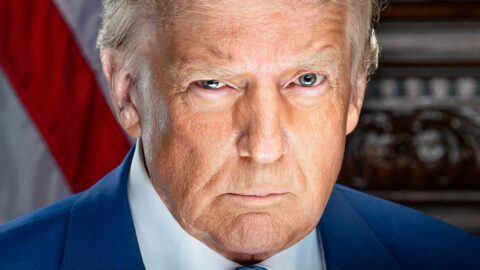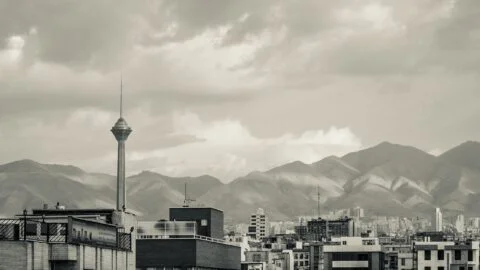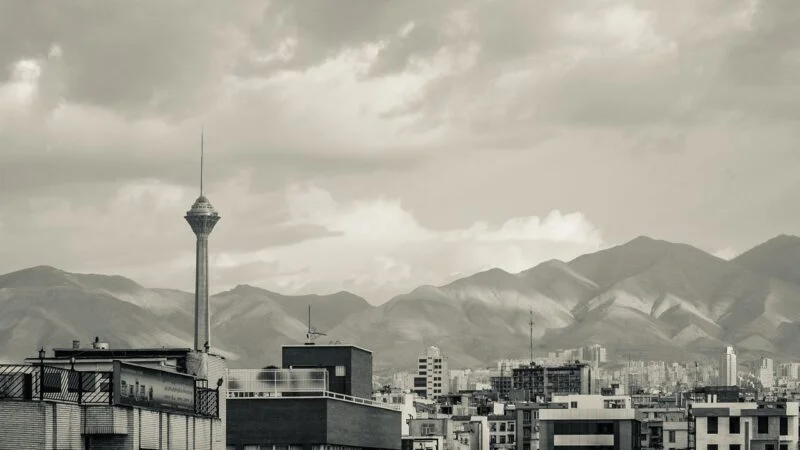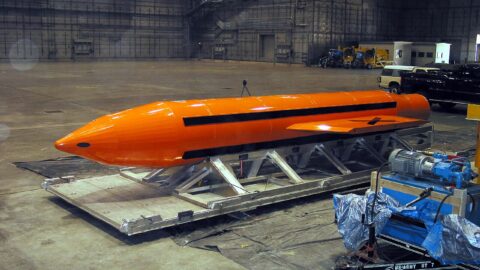
President Donald Trump has signalled that a stalled American and Israeli plan to strike Iran could be revived after the midterm elections, telling supporters at a rally in Sioux City, Iowa, that a war against Iran could be finished “very soon” but could also resume after November. The remarks, reported by CNN and local Iowa media, landed as US and Israeli officials were reported to be drawing up options for a possible attack.
NPR reported that the two countries are planning for a possible strike on Iran, citing officials familiar with the discussions. Some reports suggested the operation could come as early as November, immediately after the midterms, though others described the planning as a pressure tactic meant to force Tehran back to the negotiating table. Either way, the timing language from the White House is unmistakable: military action is being openly discussed as a post-election possibility.
Energy moves and market pressure
The military signalling is running alongside an economic squeeze. Trump invoked the Defense Production Act to direct 150 million dollars toward expanding American diesel and gasoline refining capacity, a move framed as strengthening domestic energy security. At the same time he accused Iran of manipulating global oil markets, a claim that arrived as Brent crude traded above 114 dollars a barrel, its highest level in five months, according to market briefings.
The oil price surge gives Washington’s threats extra weight and Tehran’s pain extra depth. Higher crude prices punish consumers at the pump but can also strain an Iranian economy already under heavy sanctions. Analysts caution, however, that the link between rhetoric and pump prices cuts both ways: talk of war in the Gulf tends to lift oil prices on its own, which complicates the White House’s parallel effort to keep energy costs down for American voters.
Diplomacy still in play
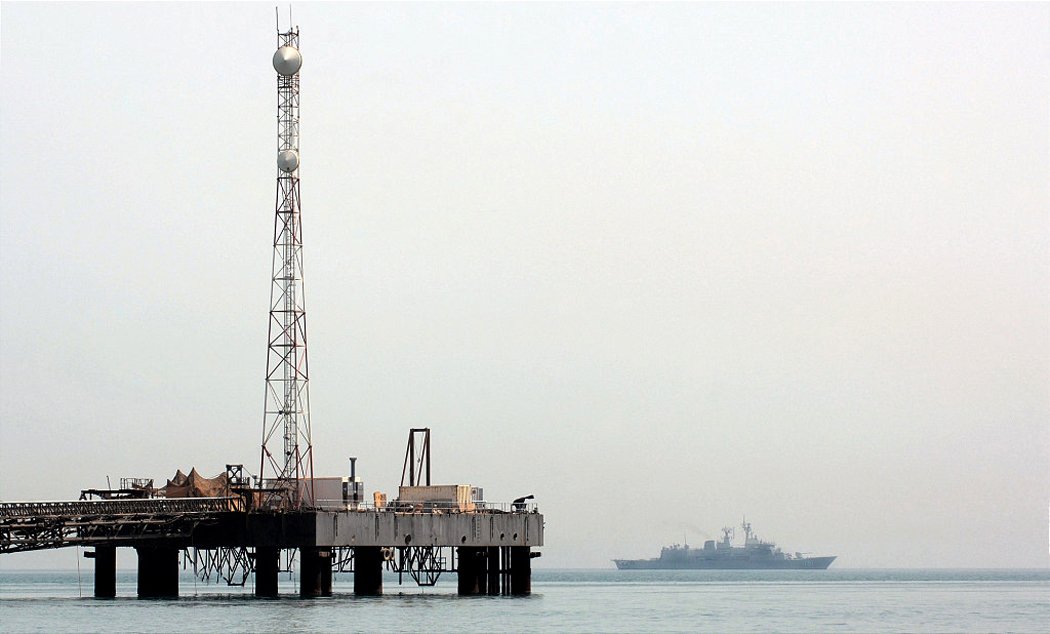
Iran’s foreign minister, Abbas Araghchi, responded that Tehran is “just as prepared for diplomacy as we are for war,” leaving the door open to talks even as the threats mount. On Friday, delegations were due in Istanbul to discuss the security of shipping through the Strait of Hormuz, the narrow waterway through which a large share of the world’s oil flows. Germany’s foreign minister, Johann Wadephul, was expected to attend, underlining European anxiety about escalation. For readers following the military dimension, our earlier report on strike planning lays out what is known of the options, while coverage of the campaign trail shows how the midterms are shaping every White House calculation right now.