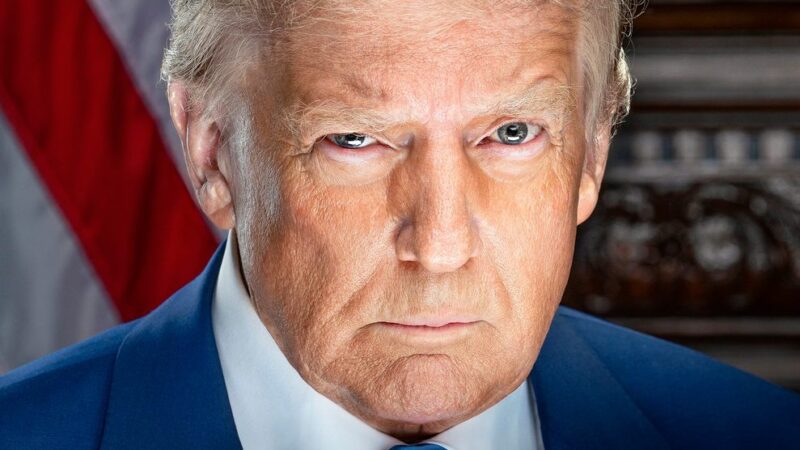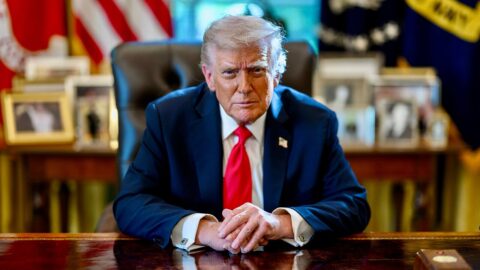

Donald Trump has said the United States will not resume military strikes on Iran before the November 3 midterm elections, pointing to what he described as productive discussions with Tehran.
The remarks suggest Washington is, for now, holding off on a return to direct military action while diplomacy continues. An interim deal reached in June collapsed, leaving the two sides without a working framework and raising fears of renewed confrontation in the Gulf.
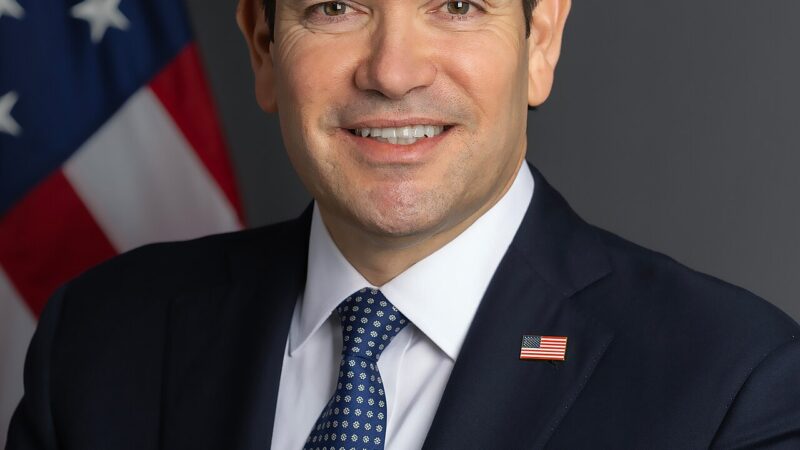
Iran’s foreign minister, Abbas Araghchi, is expected to deliver a formal reply within days, according to reports. The timing matters. The midterms will shape the balance of power in Congress for the remainder of Trump’s term, and a fresh military campaign in the Middle East would carry heavy domestic political risk alongside the strategic stakes.
Beyond the direct US-Iran track, wider tensions around the Strait of Hormuz remain unresolved. The narrow waterway is one of the world’s most important energy shipping routes, and any disruption there quickly feeds into global oil and gas prices. Shipping firms and energy markets have repeatedly reacted to signs of escalation in the area, even when no shots are fired.
For regional governments, the pause offers limited relief rather than resolution. Gulf states have spent months balancing ties with Washington against fears of retaliation if conflict resumes. Israel, too, watches the talks closely, having long pressed for a tougher line on Iran’s nuclear and missile programmes.
Diplomats caution that interim understandings in this relationship have broken down before, often quickly. The collapse of the June arrangement is a reminder of how fragile any pause can be when verification, sanctions relief, and regional security guarantees all remain contested.
What happens next depends heavily on the substance of Tehran’s formal response. If it opens space for further talks, the current pause could extend well beyond the elections. If it is rejected in Washington, the question of strikes is likely to return to the table soon after American voters have spoken.
Related reading: BJP's Adhikari Wins Nandigram Bypoll by 1,622 Votes
Update: White House points to “productive” talks; Tehran rejects latest offer
In a follow-up statement posted on social media on Thursday, President Trump tied the pause explicitly to what he described as productive discussions with Tehran aimed at ending the months-old war — an unusually direct link between military planning and the domestic electoral calendar. The announcement came despite continued attacks on tankers in the Strait of Hormuz and strikes on energy facilities in Saudi Arabia attributed to Tehran-backed militants in Yemen.
Reporting around the announcement said senior officials had recently discussed options including an intense multi-day bombing campaign, and that Washington had asked the Pentagon to prepare plans. Last month the Pentagon deployed an additional aircraft carrier with some 10,000 sailors and Marines to the Persian Gulf, giving commanders more options should the president reverse course after the elections.
The war, which began in February, has weighed on the president’s approval ratings: recent polling cited in coverage suggested about six in ten Americans disapproved of his handling of Iran, with fuel prices and the cost of living topping voter concerns. Iran and the United States have exchanged proposals in recent weeks, though the president rejected Tehran’s latest offer, and Iranian officials were reported this week to have said Tehran would not abandon uranium enrichment — leaving the central dispute unresolved even as the pre-election pause takes hold.