

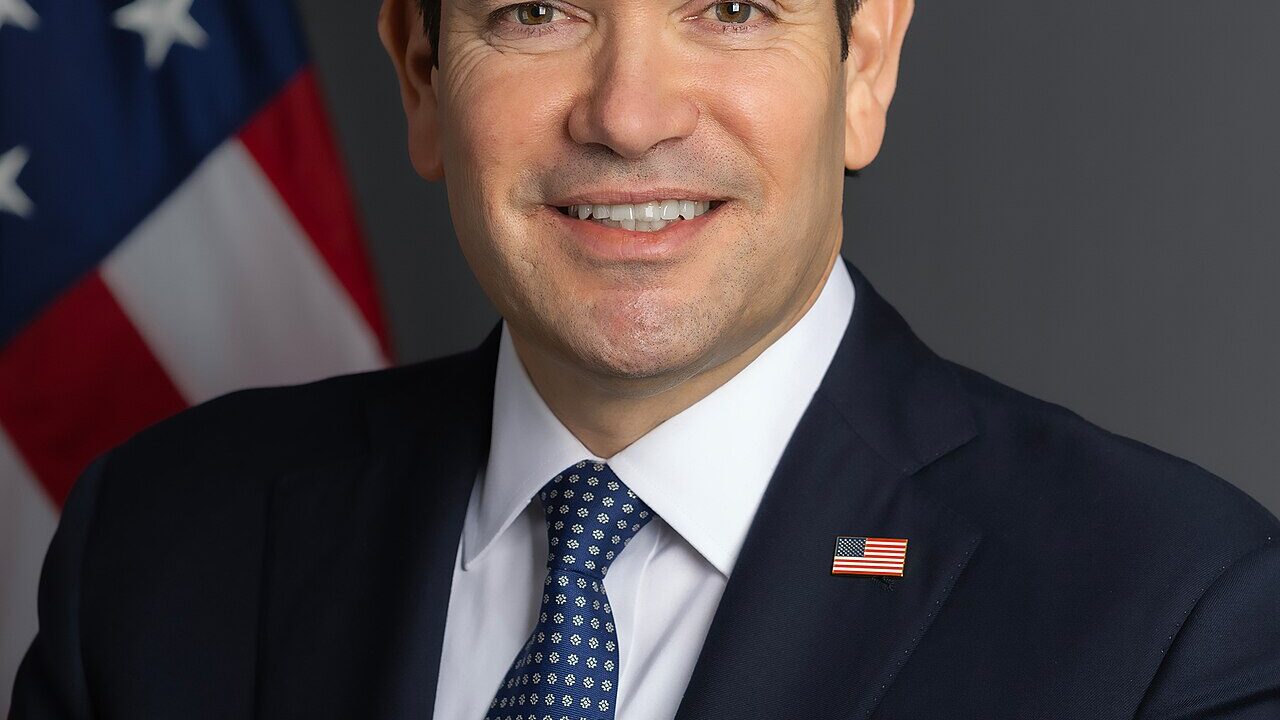
Secretary of State Marco Rubio was scheduled to land in Samarkand, Uzbekistan, on Sunday for a summit with the leaders of Central Asia, putting America’s top diplomat far from the most combustible foreign-policy files the administration is handling elsewhere.
The C5+1 summit brings together the United States and the five post-Soviet states of the region — Uzbekistan, Kazakhstan, Kyrgyzstan, Tajikistan and Turkmenistan. US officials have described the resource-rich region, sitting between China, Russia and Iran, as deserving more attention than it received from previous administrations. Mr Trump hosted all five leaders at the White House last November, when Kazakhstan agreed to join the Abraham Accords, and the president met Uzbek President Shavkat Mirziyoyev at the United Nations General Assembly last September.
The timing is conspicuous. While the secretary of state travels to one of the quieter corners of the map, an Iran conflict smoulders, Saudi Arabia is fighting the Houthis, and a new rift has opened between Washington and Kyiv. At home, American planners continue to weigh new options for strikes on Iran even as they debate who Washington should be negotiating with, and the administration has pressed Ukraine to stop striking Russian refineries — a demand Kyiv has resisted.
A Pattern of Quiet Trips
The trip fits an emerging pattern in which Rubio often visits regions that sit outside the daily news cycle, leaving some of the most fraught portfolios to other Trump aides. Special envoys Steve Witkoff and Jared Kushner, along with Vice President JD Vance, have taken up the heaviest files. Rubio has not visited Kyiv or Moscow since becoming secretary of state, was absent when US officials met Ukrainian counterparts in Florida earlier this month, and it was Vance, not Rubio, who represented the United States at peace talks with Iran in Pakistan in April.
His previous foreign trip, in early October, took him to Greece, Portugal and Iceland — another itinerary drawn from the quieter end of the diplomatic map. Supporters of the approach say it lets the secretary build long-term relationships in neglected regions; critics argue the pattern sidelines the State Department from the decisions that matter most.
Why Central Asia Matters Now
Washington’s pitch to the region is as much economic as diplomatic. Central Asia’s mineral wealth, including deposits of rare earths and other critical materials, has drawn growing competition from Beijing and Moscow, and US officials want American firms at the table. Whether the Samarkand meeting produces concrete deals or remains largely symbolic, the trip signals that the region is no longer an afterthought in Washington.