France’s government has pledged to replace its national online university admissions platform and to spend up to 4 billion euros on school renovations, seeking to calm student anger after weeks of often violent mass protests over education and living costs. The concessions, announced on Monday, are the most concrete response yet to a movement that began in schools and has widened into a broader protest over the cost of living, inequality and strained public services.
Higher Education Minister Philippe Baptiste announced substantial change to the admissions platform next year, before its replacement in 2028. Ministers also pledged smaller classes, more teaching and higher education posts, and increased student grants, alongside the school renovation loans. The package targets the school grievances that helped ignite the unrest, including complaints about facilities, funding and a system that many students say feels opaque and unfair.
Students welcome some steps, but not an end
Two high school student groups welcomed some of the concessions but called for protests to continue, speaking after meeting Prime Minister Sebastien Lecornu on Monday. That response captures the central difficulty for the government: the movement is no longer only about admissions or school buildings. Workers have joined students in demanding relief from rising living costs, and the protests now carry a wider set of grievances that a schools package alone cannot settle.
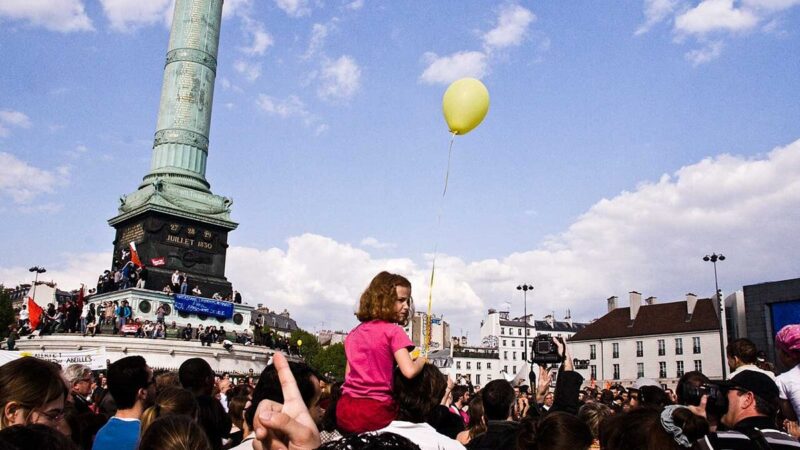
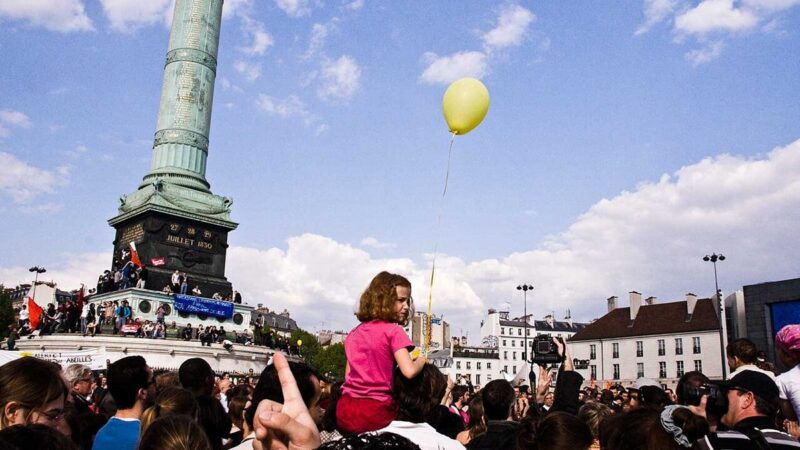
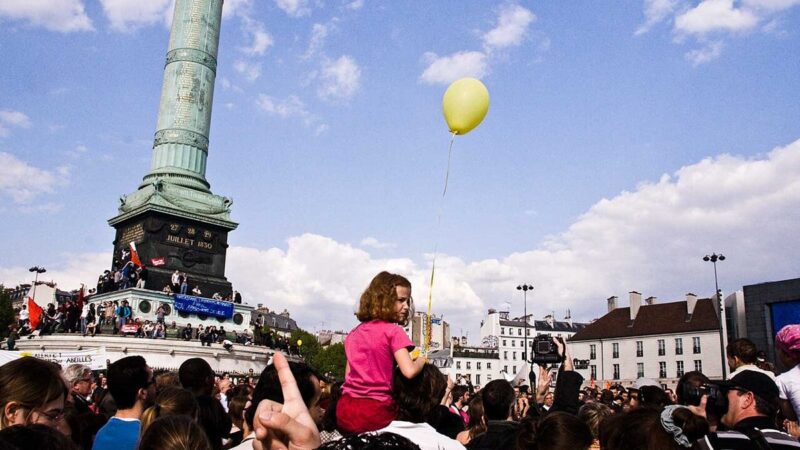
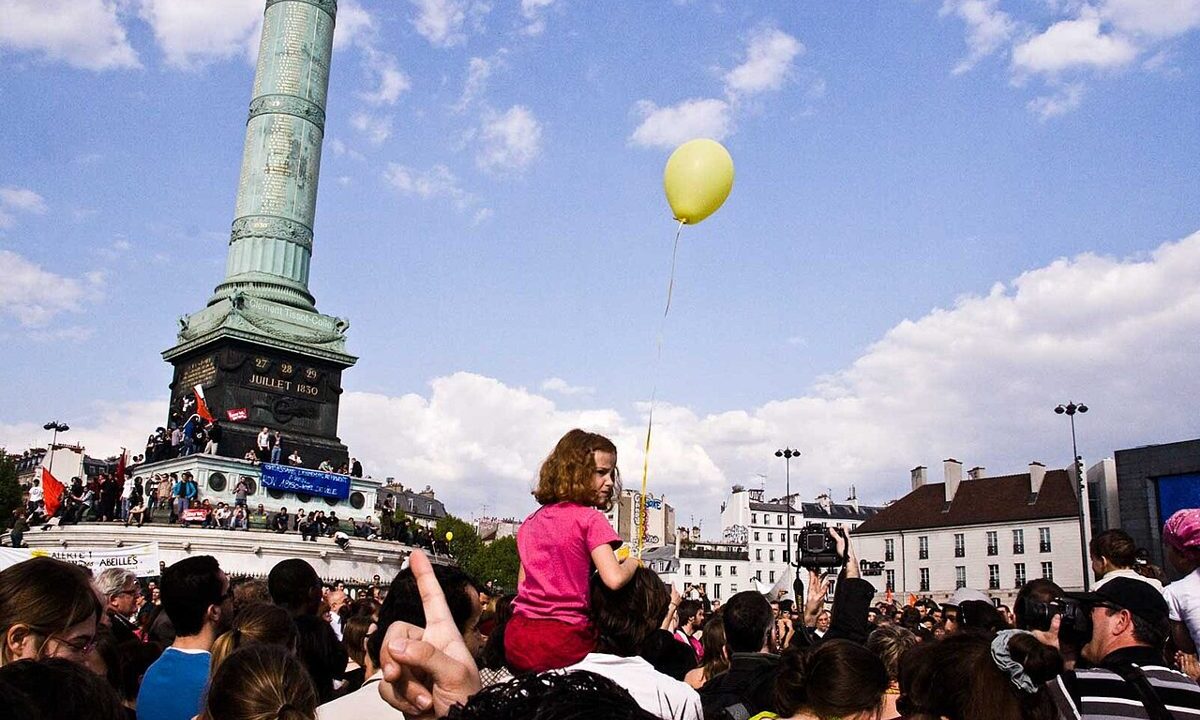
The scale of the unrest explains why the government moved. On October 17, demonstrations over school funding and rising living costs descended into rioting and looting across the country, with protesters setting fires, looting shops, clashing with police and attacking public buildings, briefly storming Marseille’s City Hall and setting Limoges’ 19th century town hall ablaze, bringing down its roof and clock tower. About 2,400 people were arrested in connection with those demonstrations, in which hundreds of thousands marched peacefully.
A quieter second Saturday, and a third test ahead
The second Saturday, October 24, was markedly less severe, though still large and still troubled. The Interior Ministry counted about 410,000 marchers nationwide, including 110,000 in Paris, down from 550,000 the weekend before, while the CGT union put the total near 800,000, with 250,000 in Paris. Police arrested 1,314 people, about half the previous Saturday’s total, and 53 security personnel were injured, compared with more than 1,000 a week earlier. Looting fell sharply, to 24 businesses from 1,522 the week before, though police used tear gas, sound grenades and water cannon near the end of the Paris march and street fires burned in Marseille and Lyon.
What happens next is already scheduled. Reports of the concessions note that fresh rallies are planned for October 31, ahead of a nationwide strike day, including a joint rail union call, on November 5. Prime’s account of the protest calendar anticipated exactly that sequence. The government has now offered a timetable for change in schools. Whether that timetable is enough to shrink the crowds on October 31 will be the first real test of whether concessions can cool a movement that has outgrown its original cause.