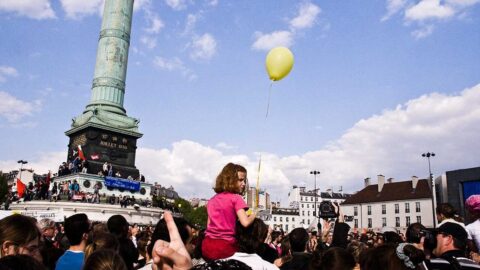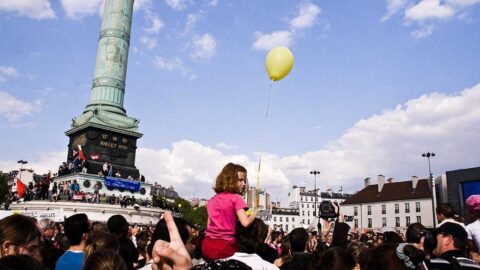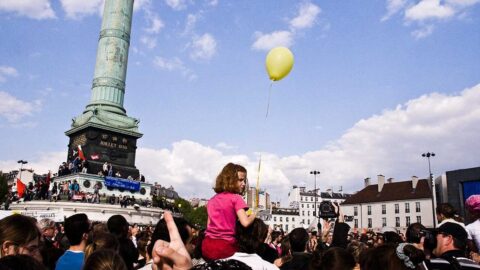
Students blockaded dozens of high schools across France on Tuesday, maintaining pressure on the government over education reforms as trade unions prepared for a nationwide strike later in the week. Authorities said 48 of France’s 3,700 high schools were blocked, including schools in Paris, Rennes, Toulouse and Lyon. The student union USL disputed that count and put the figure at 500 establishments, a gap that has become a familiar feature of this dispute, with official and union counts diverging sharply at every stage.
The demands have stayed consistent since the movement began in mid September. Students are calling for a 10 billion investment in education and higher education, more teachers, better school buildings, and the repeal of Parcoursup, the platform used for university admissions, which protesters describe as socially unfair. The government has announced reforms, including changes to Parcoursup, but student unions say those steps do not meet the scale of the problem in classrooms.
A movement that widened beyond schools
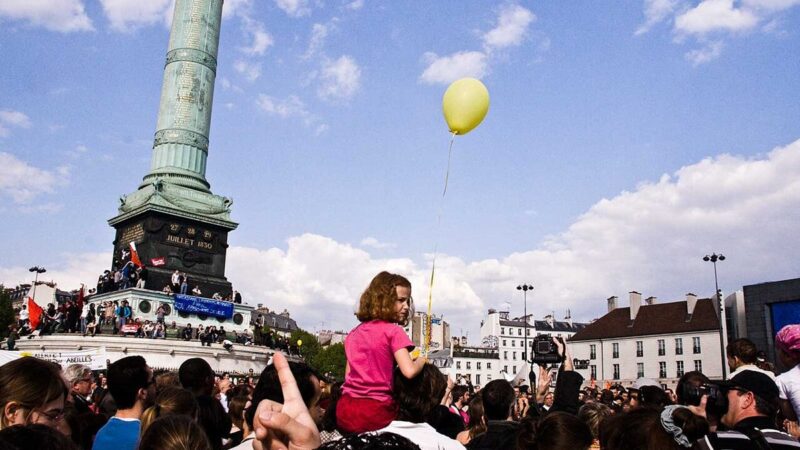
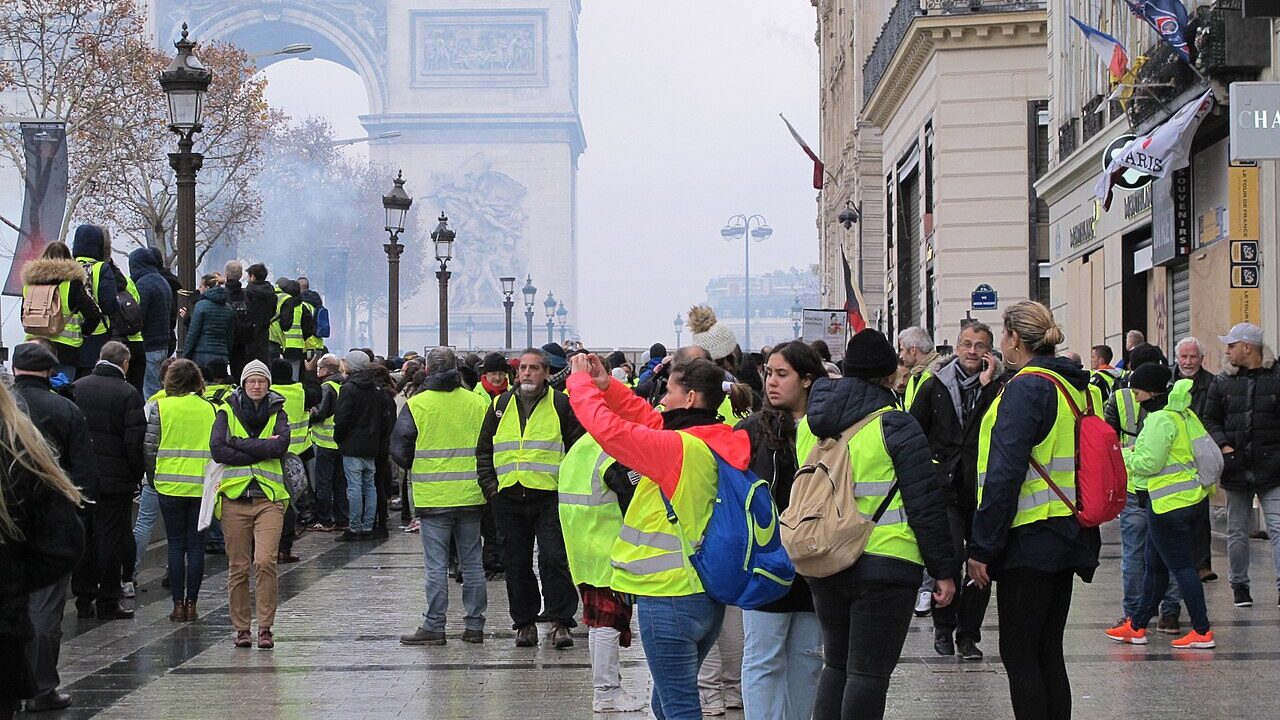
The school protests have fuelled a wider movement against soaring prices and inadequate public services, drawing hundreds of thousands of people onto the streets over the past three weekends. On 31 October, authorities put nationwide turnout at 320,000, including 70,000 in Paris, while organisers claimed nearly half a million. That was the third consecutive major mobilisation, after about 550,000 on 17 October and about 410,000 on 24 October on official counts, suggesting a movement that remains large even as weekend turnout has eased from its peak.
Education Minister Edouard Geffray has urged protesters not to block schools, warning that disruption could jeopardise the academic year, a concern shared by teachers facing a first trimester that ends before the end of November and matters greatly for senior students applying to university. Student groups have answered that the disruption is the point: without pressure, they argue, classroom conditions will not change. The dozens of blockades reported on Tuesday are therefore best read as preparation, not as a final act.
Thursday is the next test
On Thursday, students plan a new day of blockades as trade unions call a nationwide strike, with teachers, railway workers and private sector employees expected to take part. That convergence of school and workplace action is what organisers want, and what the government will watch most closely. If Thursday draws a large cross sector turnout, the education dispute will again become a national political question. If it does not, the government may argue that its concessions are starting to work.