

0 views
Washington's suspension of green-card processing has become the latest pressure point in a US immigration system already straining the technology industry's global workforce model, forcing major employers to accelerate hiring inside the United States and rethink where skilled work gets done.
The pause in employment-based permanent residency — the route by which engineers on temporary visas convert to green cards — lands on an industry that employs hundreds of thousands of foreign-born specialists. Technology executives have warned for months that uncertainty around visas is pushing work offshore, and the suspension has sharpened that debate: companies cannot plan multi-year staffing when the final step of legal residency can freeze without warning.
India's technology giants, which supply much of the industry's engineering workforce, have been the most exposed. Tata Consultancy Services, the largest of them, used its latest earnings to signal that it does not depend on the suspended route, pointing to expanded local hiring in the United States and delivery centres elsewhere. TCS reported a 15 percent rise in quarterly net profit to ₹13,884 crore, a result analysts read partly as evidence that the biggest firms can absorb visa shocks smaller rivals cannot.
The politics cut both ways in Washington. Restrictionist lawmakers argue that employment-based immigration suppresses American wages and that a pause forces companies to train and hire domestically. Industry groups counter that the affected workers are already in the United States, already employed, and already vetted — and that freezing their status simply exports their jobs to Canada, India and Latin America, where the same engineers can be hired without the friction.
Canada has been an explicit beneficiary of previous US visa tightening, recruiting technology workers with fast-track permits. Recruiters say the green-card suspension renews that flow, with multinational employers quietly shifting roles to Toronto, Vancouver and Waterloo offices where immigration timelines are predictable.
For workers themselves, the suspension is personal: families mid-way through decade-long green-card queues now face renewed uncertainty over travel, job changes and children's status. Immigration lawyers report a surge in consultations since the pause, with many clients asking about Canadian and European options they had never previously considered.
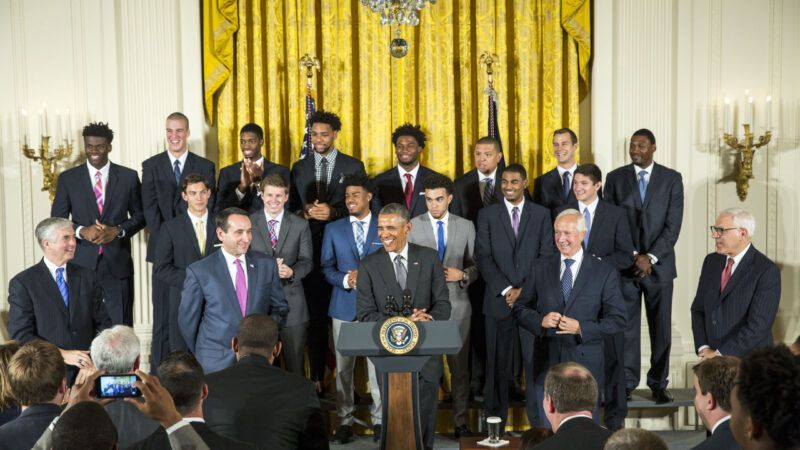
The administration has framed immigration enforcement as an economic-sovereignty measure, and the technology medals ceremony at the White House this week — honouring immigrant founders and executives — illustrated the tension: five of the six honourees celebrated by the president were born abroad. Business leaders are left navigating both messages at once.
Whether the suspension is brief or becomes a longer feature of policy will shape hiring plans well beyond Silicon Valley. For now, the industry's largest employers are publicly calm and privately hedging — hiring more Americans, building more capacity abroad, and telling investors that the model survives either way. The quarter's numbers from TCS suggest the giants, at least, are right.
The suspension also scrambles the geography of the industry in ways a single quarter cannot show. Delivery centres are long-lived decisions: a firm that opens a 5,000-seat campus in Toronto or Hyderabad because American residency froze will not close it when policy thaws. Economists call this hysteresis — the temporary shock that permanently relocates the work — and it is the outcome restriction's critics most fear and its defenders most discount.
There is a middle scenario Washington may be engineering deliberately: a pause long enough to force wage and hiring concessions from employers, short enough to avoid structural relocation. The industry's public calm — TCS's insistence that its model does not depend on the route — is calibrated for exactly that scenario, signalling to investors that earnings survive while signalling to policymakers that pressure will not produce panic.
Workers in the queue have no such calibration available. For them the suspension is measured in school years, mortgages deferred, and parents' visits postponed. The industry's aggregates will show a resilient quarter. The aggregates always do. The relocation decisions, made quietly in response, will show up in a decade's worth of office leases on the wrong side of several borders.
Related reading: Trump Presents National Medals to Musk, Brin, Huang and Su at Science Summit · Student-Led Protests Sweep France as Government Seeks a Way Out · Trump Rules Out New Iran Strikes Before November Midterms