Trump Expects China to Buy 250 More Boeing Jets as Trade Ties Warm
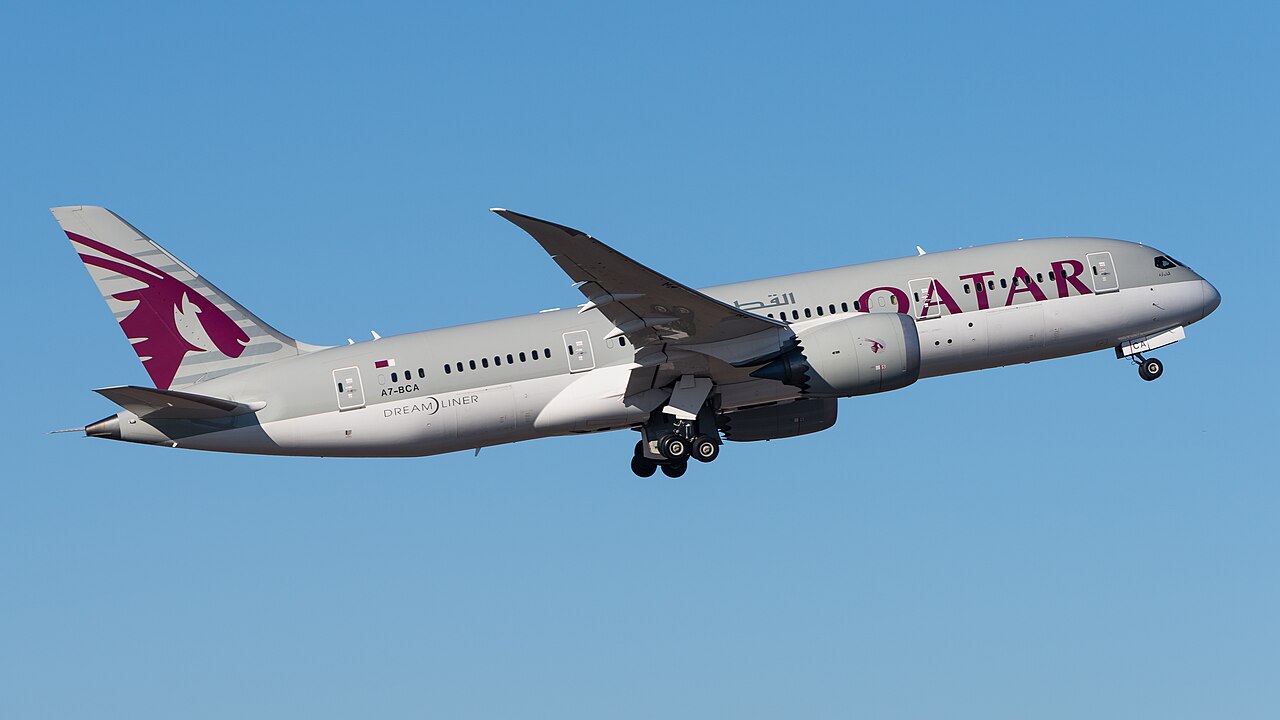
President Donald Trump said on Monday that he expects China to agree to buy another 250 Boeing aeroplanes, a prediction that would hand the American planemaker one of its largest orders in years and deepen a tentative thaw in trade ties between Washington and Beijing. Trump made the remarks in a television interview on CNBC, only days after he met Chinese leader Xi Jinping in Shenzhen on 19 November. According to reports, he told viewers that Beijing was ready to expand its purchases,
A deal that is still to be confirmed
China agreed in May to buy 200 Boeing aeroplanes, a figure that fell well short of what analysts had expected at the time, and Trump said then that the total could eventually rise to as many as 750 jets. Boeing chief executive Kelly Ortberg said in October that the May announcement was not a firm order, describing it instead as an indication of interest from Chinese buyers. Neither Boeing nor the Chinese government confirmed a new agreement on Monday, and no details were published about aircraft types, prices or delivery dates.
The uncertainty has not stopped investors from welcoming the news. Boeing shares rose by more than 4 percent on Monday. The market reaction underlined how much value traders place on access to China, the second largest aviation market in the world. Trump framed the sales push in plain terms during the interview, telling viewers that he was the king of selling Boeings, but that the company still had to build the aircraft it had already promised to deliver.
Why China matters so much to Boeing
China has been largely closed to new Boeing orders for much of the past decade, and the reopening of that market is a major prize for a company working through a huge backlog of unfilled orders. The global trade outlook has improved this year as tariff tensions have eased, and commercial aircraft have become one of the most visible symbols of that change.
For American workers, the stakes are just as clear. Every wide body jet supports thousands of jobs across the supply chain, from assembly lines in Washington state to parts makers across the Midwest. Yet the history of this negotiation counsels caution. Trump first floated a figure of 500 aircraft before the May summit, and Beijing has yet to publish contract documents for even the first batch. Until a signed order appears, the 250 jets remain a presidential prediction rather than a done deal, and the real test will be whether Chinese airlines follow words with orders in the months ahead.