


0 views
Selling that began in US technology shares spilled into Asia this week, dragging regional benchmarks lower as investors reassessed the valuations of the artificial-intelligence trade and the interest-rate path in the world's major economies.
In Hong Kong, insurer AIA Group was among the notable decliners as financials joined the retreat, while in Seoul, South Korea's Kospi index gave back ground as the semiconductor names that powered its year surrendered gains. Traders described the selling as broad but orderly — profit-taking in crowded trades rather than panic — with volumes elevated across Tokyo, Hong Kong and Seoul.
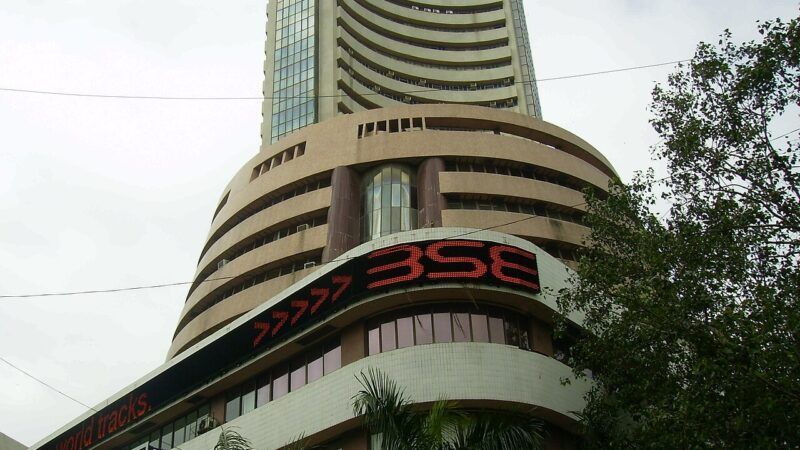
The Asian session followed a weak lead from Wall Street, where the same questions have stalked markets all autumn: whether AI infrastructure spending can grow into the valuations it has created, whether central banks are finished easing, and whether $100-plus oil rekindles inflation. India's markets captured the mood in miniature mid-week, plunging more than 1,000 points on the Sensex after a surprise central-bank rate rise before rebounding sharply a day later on domestic buying.
Strategists say the region's vulnerability is concentration. A handful of chipmakers and platform companies account for an outsized share of index gains in Korea, Taiwan and Hong Kong this year, so when the global AI trade wobbles, Asian benchmarks move like leveraged versions of it. Foreign investors, who sold heavily through the week, amplify the swings; local institutions, as in India, have increasingly played the stabiliser.
Currency markets added a second layer of pressure. The dollar's resilience on higher-for-longer rate expectations has pushed several Asian currencies toward levels that force central banks to choose between defending exchange rates and supporting growth. Exporters quietly welcome weaker currencies; importers of energy — which is most of Asia — do not.
Yet the bull case has not collapsed. Corporate earnings in the region's technology supply chain remain strong, AI capital expenditure by US hyperscalers continues to rise, and every dip this year has eventually found buyers. What has changed, veterans say, is the margin for disappointment: at current valuations, merely good results are no longer enough.
Investors now look to the heart of earnings season for direction. The chip and platform giants reporting in the coming weeks will effectively grade the AI trade for the whole world; Asia, as its workshop, will feel the verdict first.
Currency desks are quietly becoming the story inside the story. Every leg of dollar strength tightens financial conditions across Asia without a single Asian central bank voting for it, and imported energy — priced in dollars, currently above $100 a barrel — compounds the squeeze on the region's big importers. Korea and India sit at the exposed end of that equation; both saw their markets and currencies move together this week in the pattern veterans call the old emerging-market two-step.
The bulls' rejoinder is that this is what healthy corrections look like in an expansion: violent, sector-concentrated, and ultimately absorbed by earnings. The region's chip giants are selling every advanced processor they can fabricate; the AI build-out that drives them is funded by the most profitable companies in history, not by credit. On that telling, this week's selling is the market re-pricing the speed of the story, not its ending.
Which telling is right will be decided by guidance, not vibes. The coming earnings calls from the world's platform and chip leaders amount to a referendum on the entire trade — and Asia, which manufactures the trade's hardware, will hear the verdict in its opening prices the following morning.
Related reading: Oil Holds Above $100 as Hormuz Risk Rewrites the Global Economy · 24World Media Launches Central Newsroom Linking Its Flagship Outlets · Conflicting OpenAI Revenue Reports Rattle AI and Chip Shares