

0 views
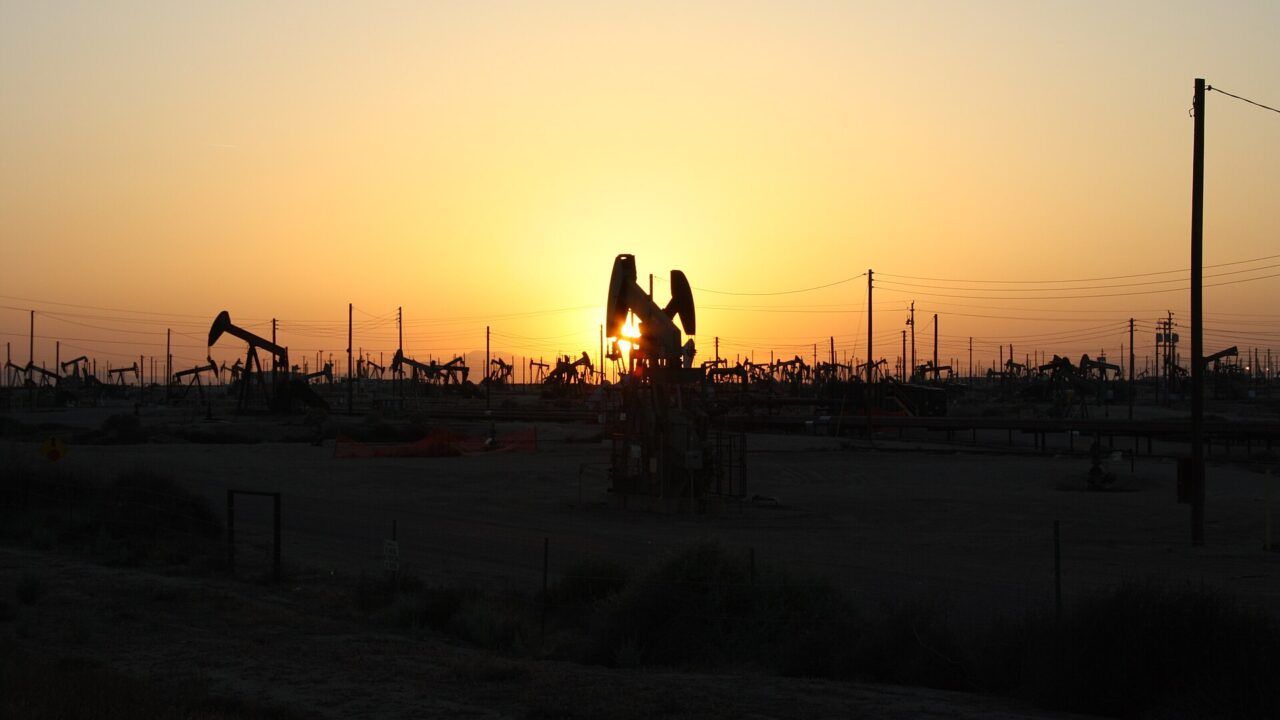
Oil prices held above $100 a barrel this week, with Brent crude trading around $102.9, as fighting and threats around the Strait of Hormuz kept traders pricing in the risk that the world's most important energy chokepoint could be disrupted.
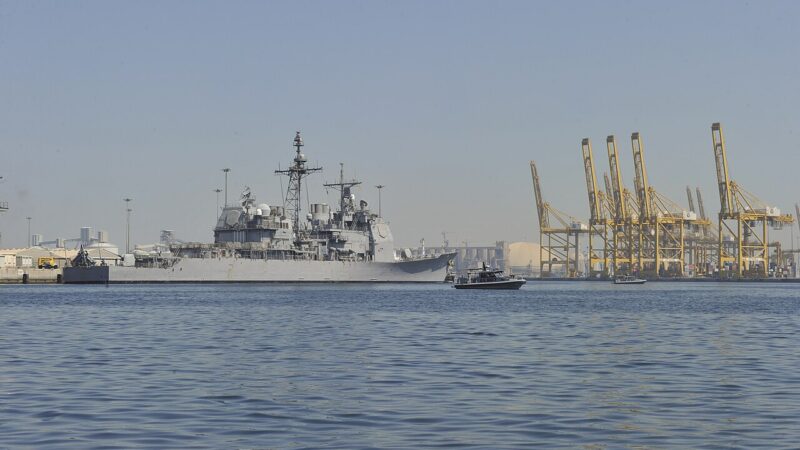
Roughly a fifth of global oil consumption moves through the narrow waterway between Iran and the Arabian Peninsula, and even the possibility of interference is enough to move prices. This week's escalation — including attacks that struck aviation infrastructure in Saudi Arabia — reminded markets how quickly regional conflict becomes a global energy story: pump prices in North America and Europe respond within days.
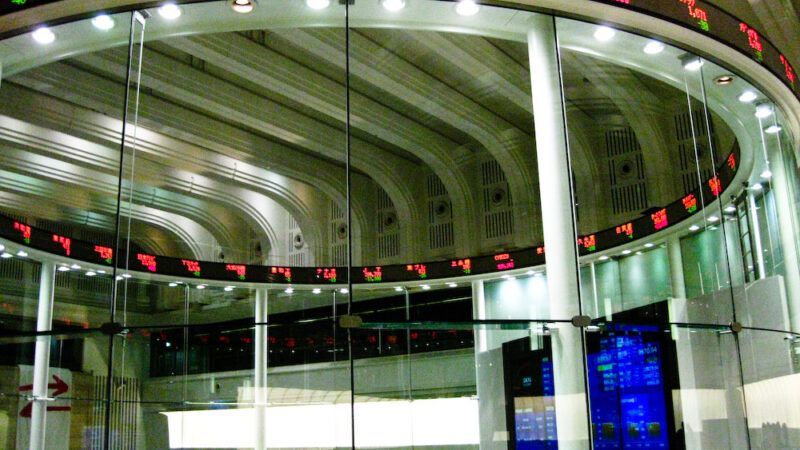
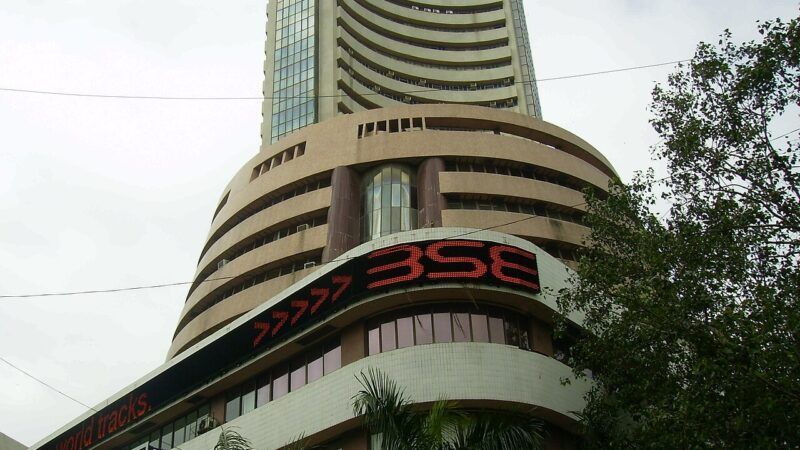
The persistence of triple-digit crude is now feeding through the world economy along predictable channels. Airlines face higher fuel bills just as they absorb disruption costs. Trucking and shipping companies are re-imposing fuel surcharges. And central banks, several of which spent the year expecting to cut interest rates, must weigh whether energy-driven inflation requires them to hold or even raise rates instead — a dilemma that whipsawed Indian markets this week and rattled investors across Asia.
For consumers, the pass-through is already visible. In Canada, several provinces have suspended fuel taxes in an effort to cushion prices, yet pump prices in cities like Calgary have climbed anyway as crude costs overwhelm the tax relief. In the United States, gasoline prices remain the most politically sensitive number in the economy, and sustained $100 oil virtually guarantees they stay elevated into the winter heating season.
Energy analysts are split on what happens next. Bulls note that spare production capacity is limited, inventories are not comfortable, and every previous Hormuz scare this decade has ended with prices higher than where they started. Bears counter that demand growth is soft, electric vehicles keep eroding gasoline consumption in China, and prices above $100 destroy the demand that sustains them.
What few dispute is the strategic shift underneath the price action. Governments that treated energy security as a solved problem are again stockpiling, fast-tracking pipelines and signing long-term supply deals. Canada's decision this month to designate a new Pacific-coast pipeline as a national-interest project — aimed at shipping a million additional barrels a day to Asia — is one example of policy being rewritten around the assumption that energy markets will stay dangerous.
For now, traders are watching the strait. Each day without a shipping incident trims a little of the risk premium; each new attack adds it back. Until the region calms, $100 oil is less a spike than a condition.
The refining map tightens the pressure further. Even where crude is available, the capacity to turn it into diesel and jet fuel is concentrated and ageing, which is why diesel prices — the ones that set freight costs — have risen even faster than gasoline in several markets this month. The price at the pump is increasingly a refining story wearing a crude costume.
Investors have begun repricing accordingly. Energy majors' shares have decoupled from the broader market's rate anxiety, defence and energy are trading as the same theme, and the renewable build-out — far from being displaced by the crisis — is being argued for in the language finance ministers understand: megawatts that no strait can close. Canada's pipeline decisions, Australia's storage mandates and Europe's accelerated permitting are all the same sentence in different accents.
None of which helps the driver at the pump tonight. Markets adapt at the speed of capital; households adapt at the speed of paycheques, and the distance between those two speeds is where energy crises become political ones. At $102.9 and holding, the world is being reminded how much of its politics still floats on oil.
Related reading: Asia's Markets Slide as US Tech Selling Spreads East · 24World Media Launches Central Newsroom Linking Its Flagship Outlets · Conflicting OpenAI Revenue Reports Rattle AI and Chip Shares