

0 views
NASA has released more than 800 gigabytes of material from the Artemis II mission, opening the largest collection of human-gathered lunar observations since the Apollo era to researchers around the world. The archive, published on 7 October, is now available through the agency’s Planetary Data System.
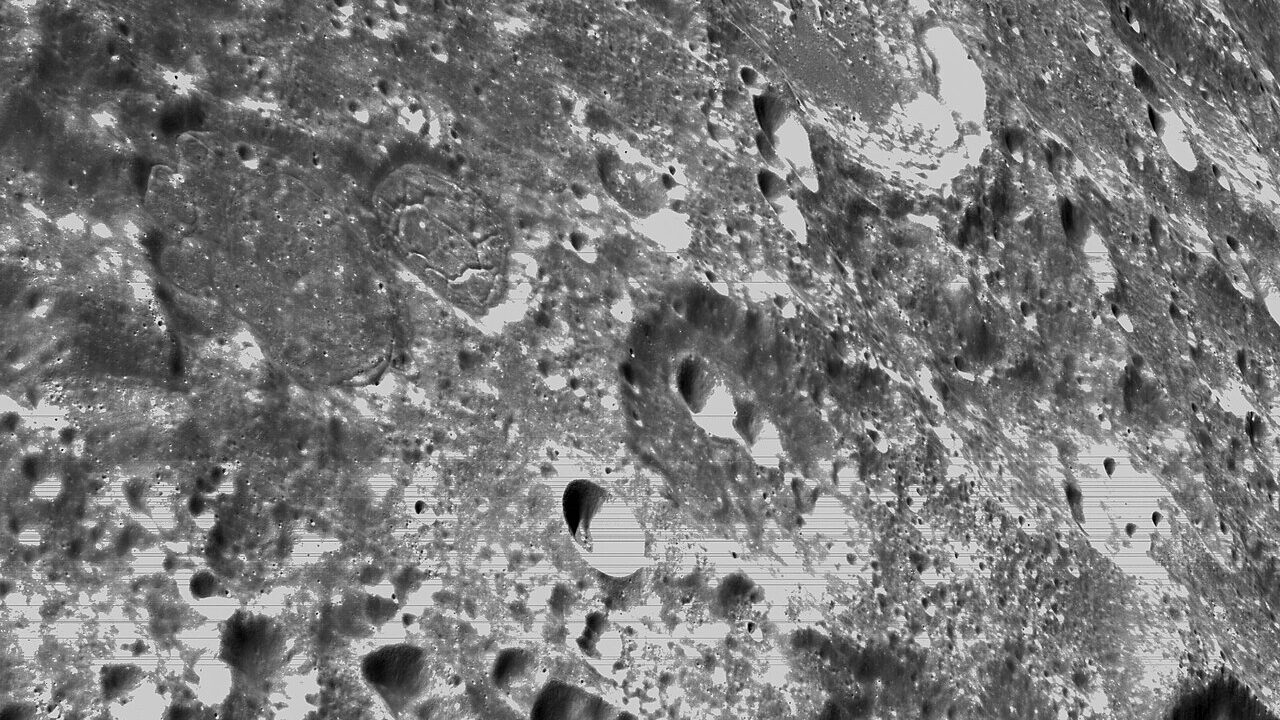
The release includes over 11,000 full-resolution images and videos captured with handheld cameras aboard the Orion spacecraft, around 8.5 hours of audio recordings of the crew’s scientific observations, and images annotated by the astronauts themselves during the flight around the Moon.
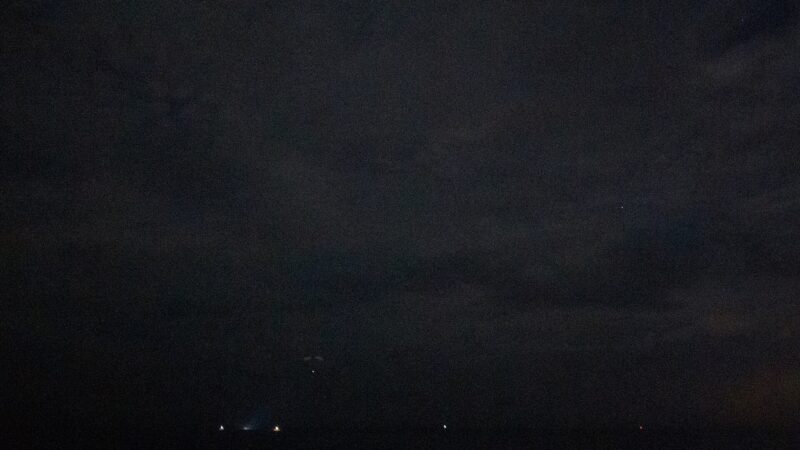
Among the most discussed findings are five extremely faint flashes the crew reported while on the far side of the Moon during a planned communications blackout. Scientists ruled out cosmic rays and reflections from the spacecraft, and estimated the incoming rocks were no more than a couple of inches wide, travelling at thousands of miles per hour. Such observations could help researchers measure how often small objects strike the lunar surface.
The crew also described subtle colours across the surface — greys, browns, tans, whites, greens and blues — which scientists associate with titanium-rich volcanic rock, varying iron content, and glass formed by eruptions or impacts. Comparing the crew’s notes and photographs with orbiter data should help clarify how lighting and viewing angle change what the surface appears to be made of.
Some of the material had never been released before, making the archive a fresh resource for studying lunar geology and impact history. For planetary scientists who have waited more than half a century for new human observations from lunar distance, the dataset is expected to keep research groups busy for years.