

Around 800,000 people in Yemen have been cut off from life-saving humanitarian assistance as intensified fighting severs roads and relief routes, the UN World Food Programme has warned.
Taiz at the centre of the crisis
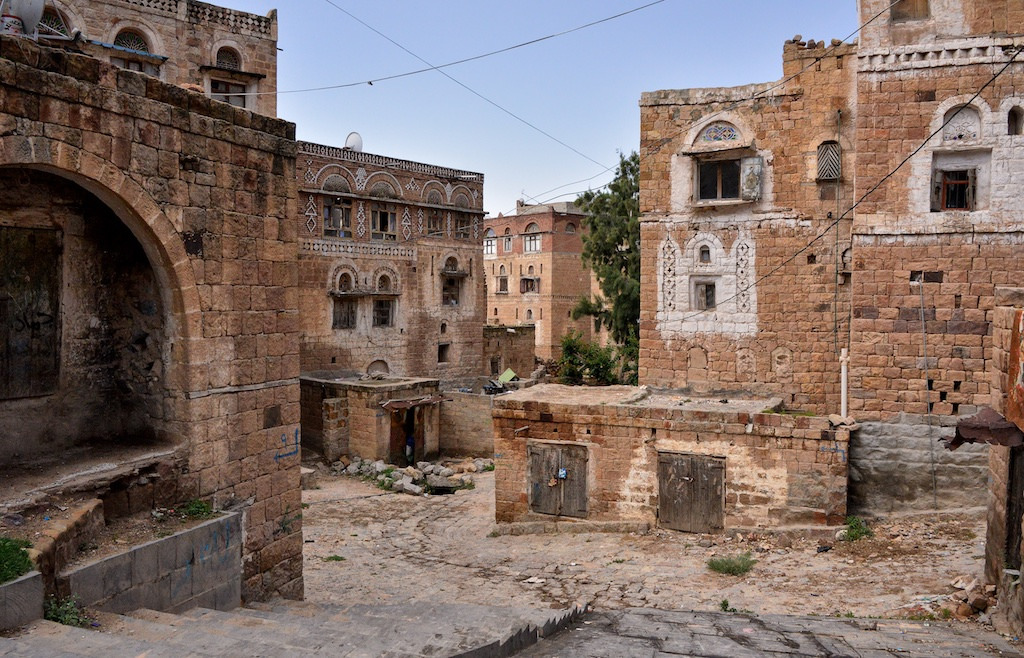
The agency said shifting frontlines, blocked roads and growing insecurity have made large parts of the country unreachable, with the city of Taiz — Yemen’s third-largest — and communities along the West Coast worst affected. More than 600,000 people in Taiz who depend on humanitarian aid can no longer be reached, including more than 200,000 women and children, according to the agency’s assessment.
The situation in Taiz is especially alarming because the governorate already had some of the highest levels of food insecurity in the country, with 10 of its 16 districts classified at emergency levels. The agency said wheat flour stocks are nearly depleted and food remaining in local markets may last only a short time. “We are critically concerned about the escalating conflict, but even more so about the growing number of people we can no longer reach because of it,” the programme’s country director in Yemen said, warning that conditions could “rapidly spiral into a humanitarian catastrophe” if assistance cannot move safely.
Hospitals overwhelmed, displacement rising
Hospitals are absorbing the human cost. Frontline facilities in Marib, Taiz and along the Red Sea coast are admitting unprecedented numbers of war-wounded patients, with some treating more than 700 casualties in a single week, according to the Red Cross. Supplies of surgical materials, anaesthesia, oxygen and medicines are running short, and the Red Cross health coordinator said trauma care staff are “under enormous pressure”. More than 200,000 people have been displaced since the latest round of fighting began in recent weeks, the UN migration agency estimates, in a conflict that has already ground on for more than a decade.
The renewed fighting between the Iran-backed Houthi movement and Saudi-supported government forces has drawn fresh international attention, with regional tensions already running high — the US has also been drawing up new Iran strike plans in recent days. The latest warnings add to a grim humanitarian picture across the region, where the Gaza ceasefire has marked one year as aid groups say it exists only in name. A fuller account of the humanitarian warnings was published on Wednesday.